Antioxidants
Anthocyanins: why colour is a chemical signal
Butterfly pea turns violet with lemon for the same reason hibiscus stains a cup ruby — and it tells you something useful.
5 min read
Pigment as pH meter
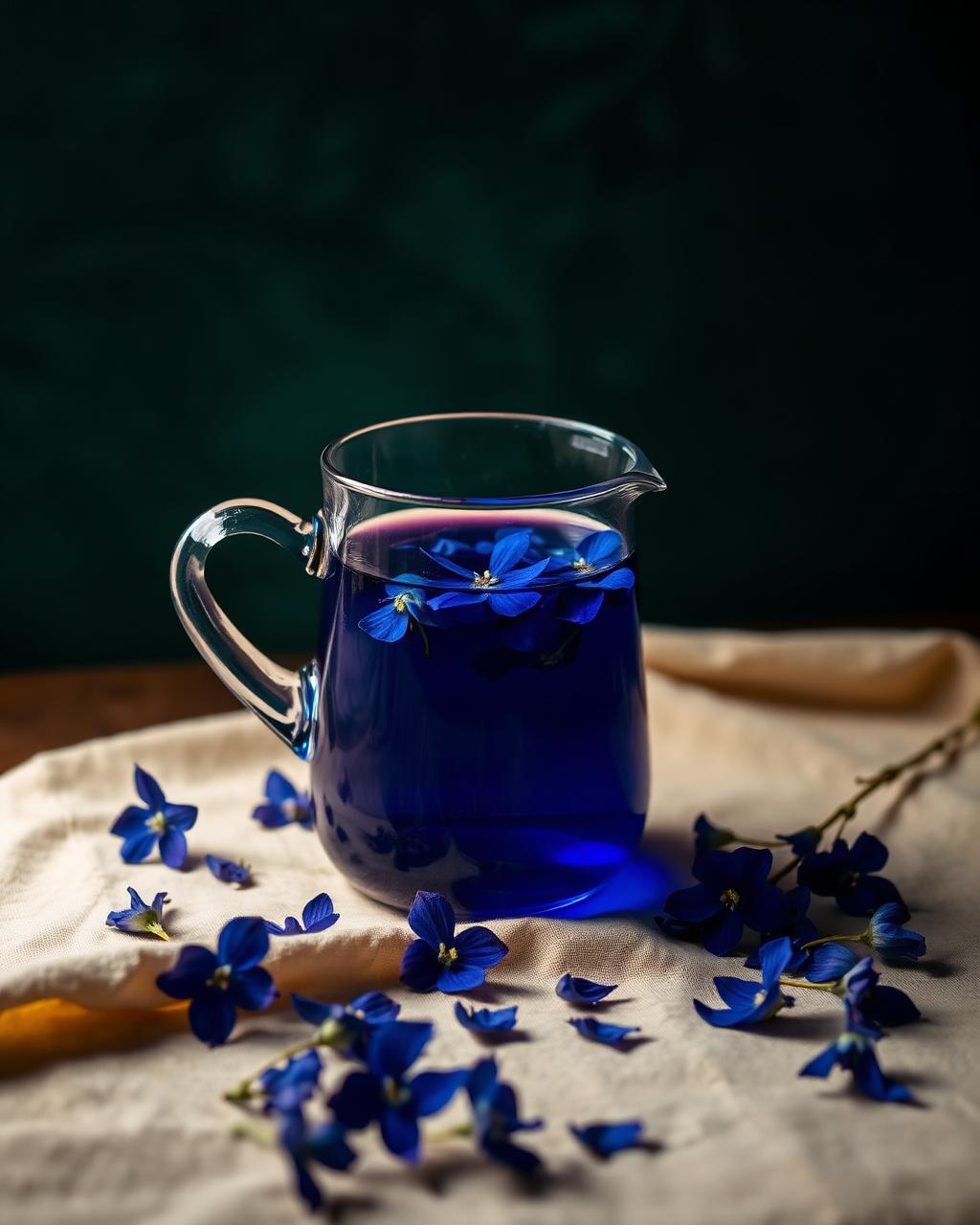
Anthocyanins change molecular structure with pH. In neutral water butterfly pea reads indigo; add citrus and the same molecules shift to violet and then pink.
This is not a gimmick so much as a visible readout of the compound class doing the antioxidant work.
Hibiscus and blood pressure
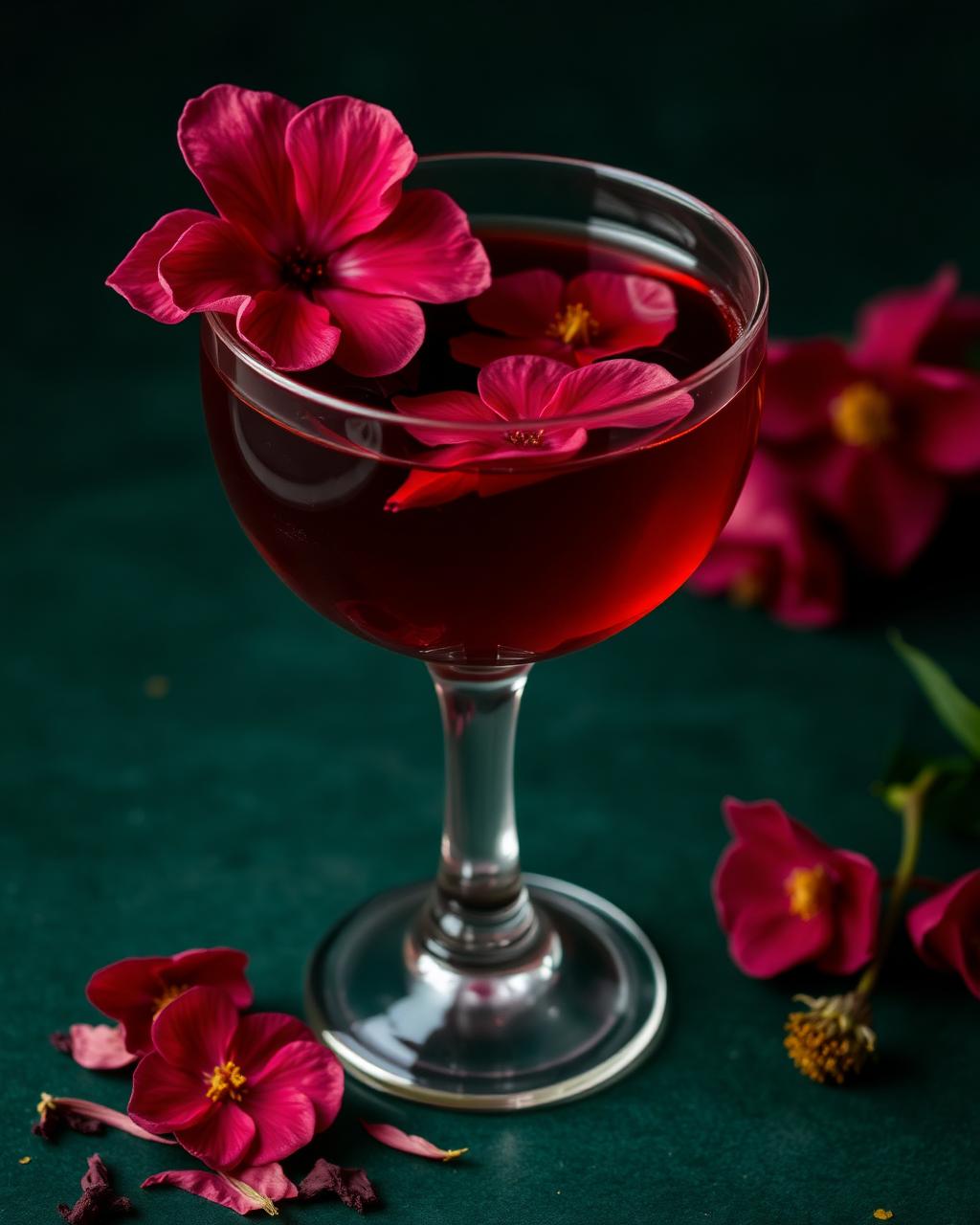
Hibiscus is the best-evidenced anthocyanin infusion for cardiovascular measures. Meta-analyses associate regular intake with modest reductions in systolic pressure — meaningful at population scale, small individually.
Anyone already medicated for blood pressure should treat that as a reason to talk to a clinician, not a reason to drink more.
Heat is the enemy of pigment
Anthocyanins degrade with prolonged high heat and light exposure. Brew butterfly pea at 90°C, store petals in opaque containers, and drink pigmented infusions reasonably fresh.
Key takeaways
- —Colour shifts are pH-driven and indicate anthocyanin content.
- —Hibiscus has the strongest cardiovascular evidence of the pigmented infusions.
- —Lower heat and darkness preserve both colour and activity.
References
- 1. Effect of Hibiscus sabdariffa on blood pressure: a meta-analysis — Journal of Hypertension
- 2. Ternatins and the stability of Clitoria ternatea pigments — Food Chemistry
Related blends